Complete Guide to Chunking Strategies for RAG
A complete guide to RAG chunking strategies, trade-offs, and Python implementations
Retrieval-Augmented Generation (RAG) pipelines live or die by the quality of their chunking strategy. While industry discussions frequently center on embedding model benchmarks, vector indexing algorithms (such as HNSW or ScaNN), and reranking models (such as BGE-Reranker and Cohere Rerank), chunking remains the single most critical deterministic stage in the entire ingestion pipeline.
To understand why chunking is so decisive, consider how dense vector embeddings work. A vector embedding model takes a snippet of text and projects its semantic meaning into a continuous vector space, typically spanning 768, 1536, or 3072 dimensions. When you search for relevant information, your query vector is compared against these stored document vectors using distance metrics like cosine similarity.
If a chunk fragments an essential fact across a boundary, no vector embedding or reranker can recover the lost semantic context. On the other hand, if a chunk is packed with multiple unrelated ideas, the vector representation becomes diluted, and the generation LLM suffers from context smearing and the well-documented "Lost in the Middle" phenomenon (Liu et al., 2023).
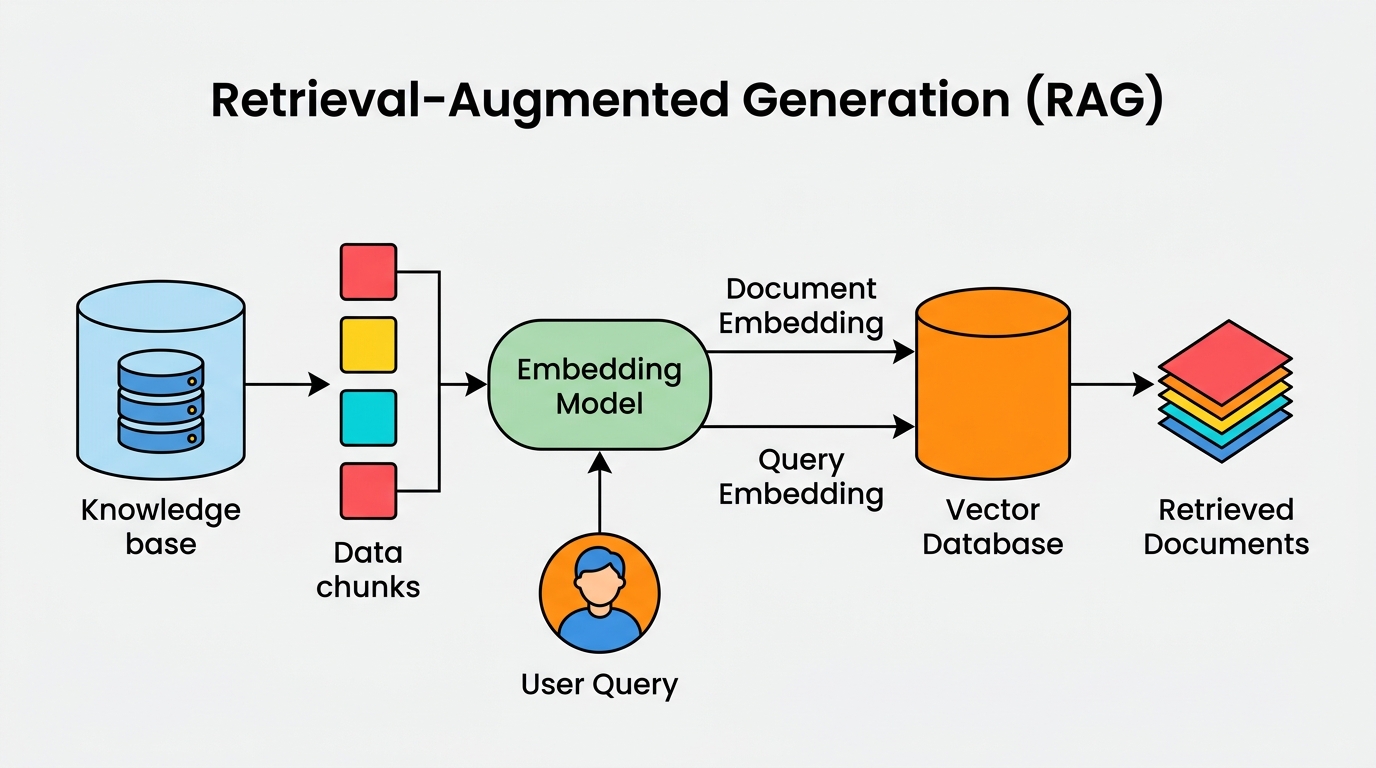 Figure 1: End-to-End RAG Ingestion & Vector Retrieval Pipeline
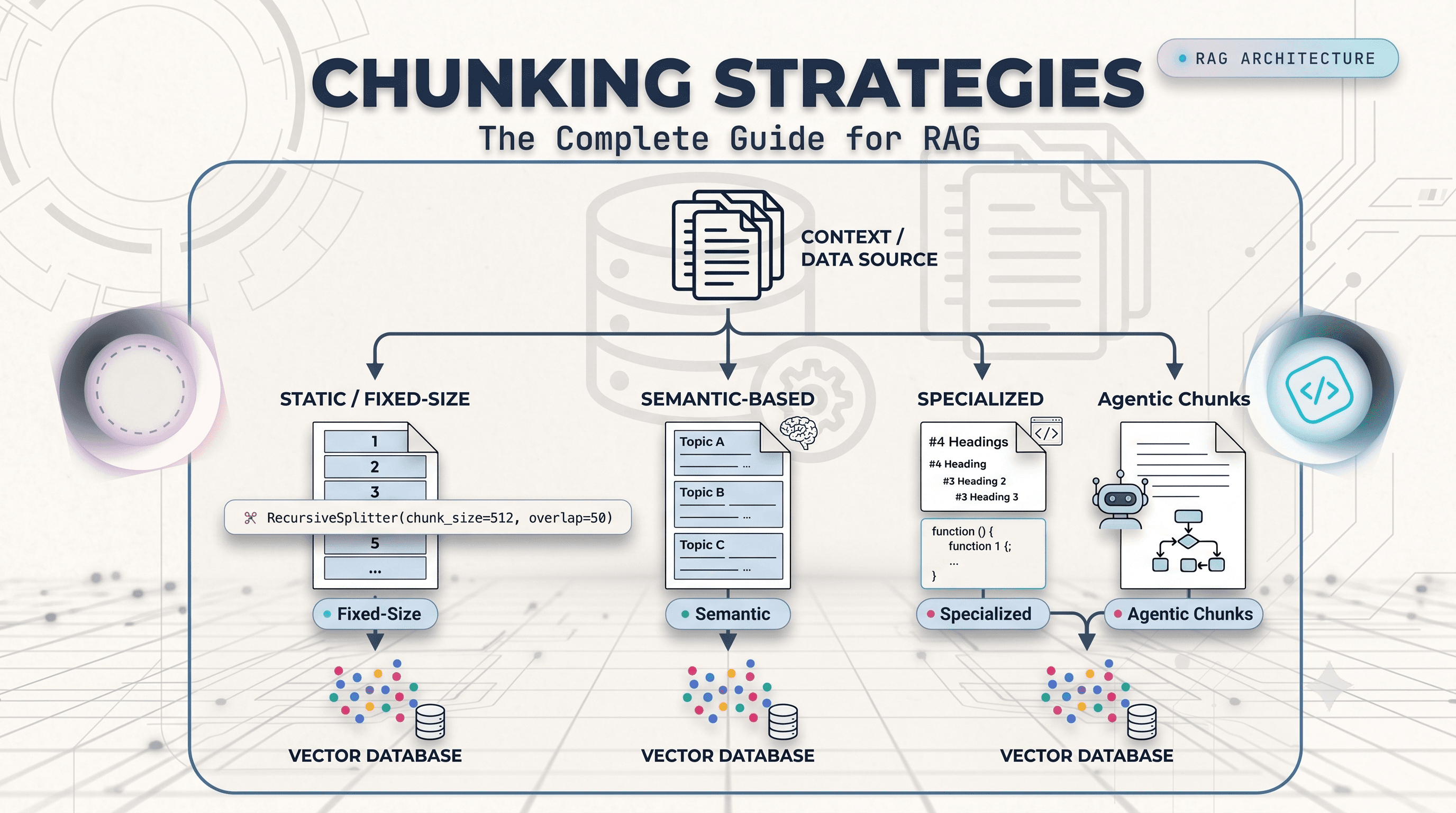
In this masterclass, we will deconstruct the 10 fundamental and advanced chunking strategies used in modern production information retrieval systems. For each strategy, we explore the underlying algorithmic principles, provide fully typed and runnable Python implementations (using native Python, LangChain, LlamaIndex, PyTorch, and Transformers), perform granular trade-off analyses, and pinpoint real-world failure modes.
The Chunking Trade-off Frontier: Precision vs. Context
Before diving into specific algorithmic implementations, we must formalize the central trade-off of information retrieval: Retrieval Precision versus Synthesis Context.
To build intuition around this trade-off, imagine preparing evidence for a legal case:
-
Small Chunks (64 to 128 tokens): These are like individual shredded sentences. They offer high vector specificity. The embedding represents a precise, narrow concept, which makes it easy for cosine similarity to pinpoint exact entities, names, or numbers. However, when passed to the generation LLM, they lack surrounding narrative context, leading to incomplete or hallucinated responses because the model cannot see the broader preconditions.
-
Large Chunks (512 to 2048 tokens): These are like handing the jury an entire 20-page chapter. The LLM receives plenty of background information to formulate a thorough answer. However, compressing multiple disparate topics into a single vector averages out the semantic signal. The vector similarity score drops, making it much harder to retrieve the chunk when the user asks a specific, targeted question.
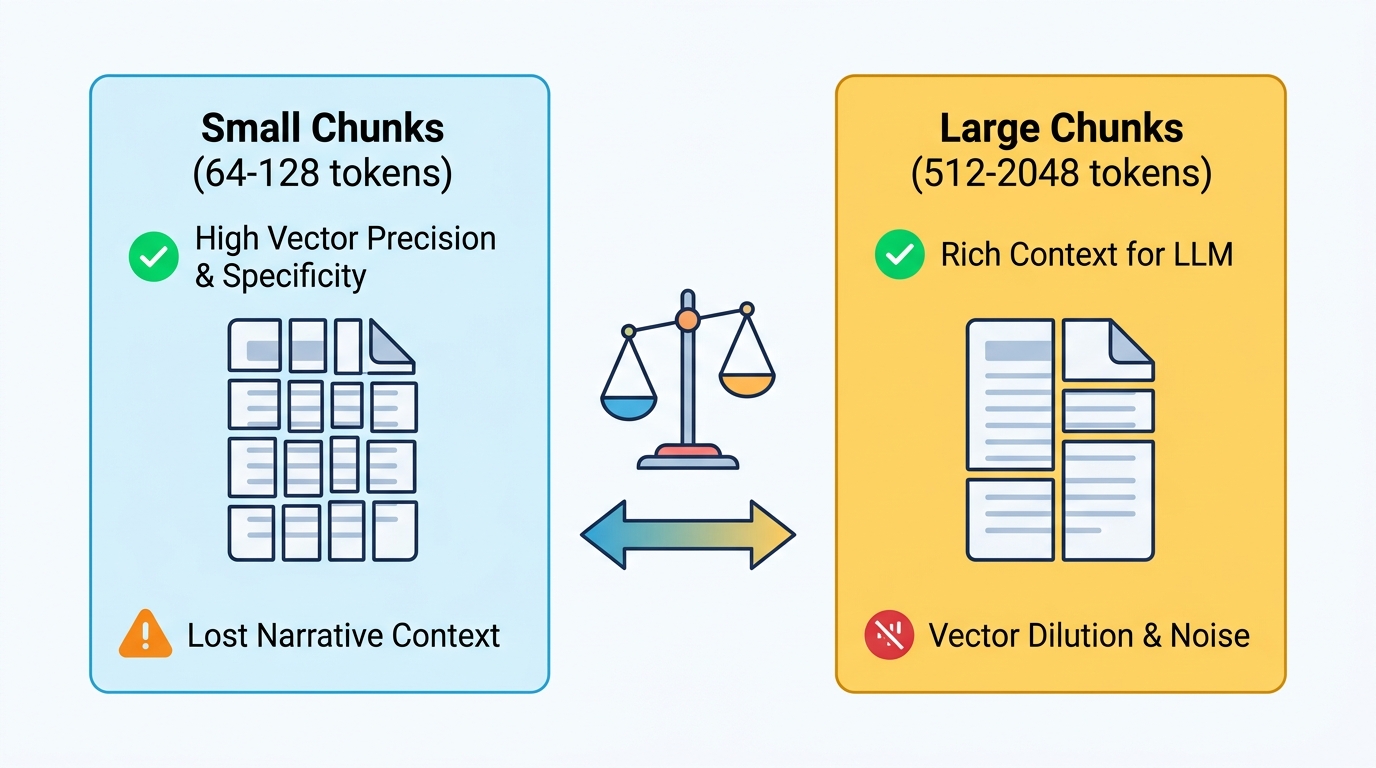 Figure 2: The Chunking Trade-off Frontier (Precision vs. Context)
Finding the optimal balance requires understanding the structural, semantic, and grammatical characteristics of your source data. Let us systematically explore the complete taxonomy of chunking strategies.
Strategy 1: Fixed-Length Chunking (Token vs. Character)
Concept & Mechanics
Fixed-length chunking is the most fundamental approach to text segmentation. It partitions a text corpus into segments of constant size L. However, a critical engineering distinction exists between character-level and token-level splitting:
- Character Splitting: Operates purely on raw string lengths (
len(text)). This method is deeply problematic for modern LLM applications because words, multi-byte UTF-8 characters (such as emojis, accented letters, or non-Latin scripts), and subword tokens are chopped indiscriminately mid-word. This produces invalid token fragments and corrupted embeddings. - Token Splitting: Uses the exact Byte-Pair Encoding (BPE) or WordPiece tokenizer matching your target embedding model (for example,
cl100k_basefor OpenAI models, or SentencePiece for Llama and Mistral). This ensures that every chunk contains a valid, well-formed sequence of complete tokens.
To prevent critical information from being split across chunk boundaries, fixed-length chunkers use an overlap parameter. Given a sequence of token IDs, a chunk window size L, and an overlap O, the step advance size is calculated as follows:
For example, with a window size of 256 tokens and an overlap of 64 tokens, the chunker advances forward by 192 tokens on each step. The final 64 tokens of the previous chunk become the opening 64 tokens of the next chunk, preserving cross-boundary continuity.
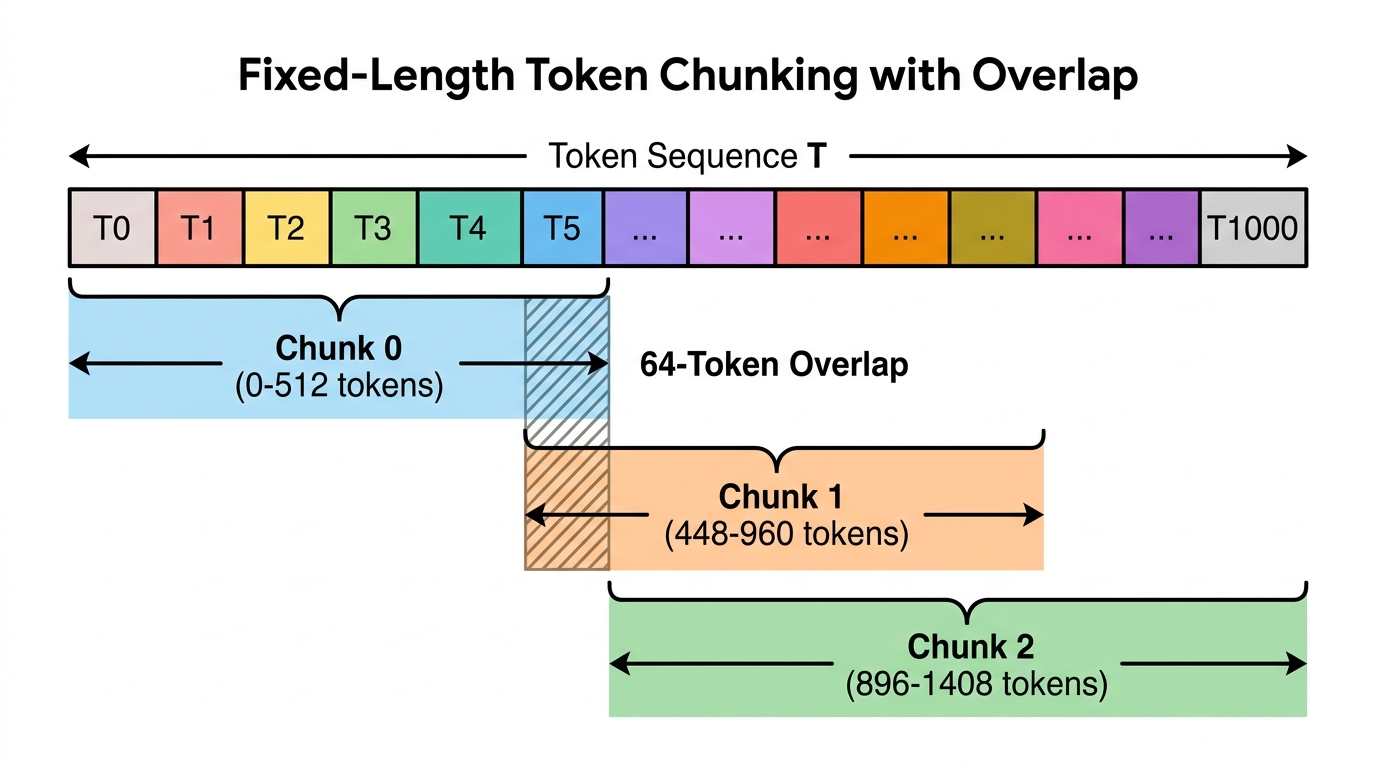 Figure 3: Token-Level Fixed Window Sliding & Overlap Stride
Runnable Python Implementation
Trade-off Analysis
- Pros: Deterministic computational complexity of O(N), zero model dependency during ingestion, constant memory overhead, and guarantees that chunk lengths will never exceed vector database token limits.
- Cons: Completely blind to syntactic grammar, semantic coherence, and logical paragraph structure. Sentences are frequently severed mid-predicate, separating subjects from their clarifying clauses.
Optimal Use Cases & Failure Modes
- Deploy When: Processing continuous, homogeneous data streams (such as raw system log files, telemetry feeds, or flat ASCII data dumps) or when establishing rapid baseline benchmarks for retrieval performance.
- Fails When: Ingesting complex technical documentation, legal agreements, or conversational logs where breaking text between Subject and Object destroys retrieval relevance.
Strategy 2: Sentence-Level Chunking
Concept & Mechanics
Sentence-level chunking identifies atomic linguistic units of thought by executing Sentence Boundary Disambiguation (SBD). Naively splitting text on periods (.) causes immediate problems with honorifics (Dr., Mr.), corporate abbreviations (Inc., e.g., i.e.), software versions (v2.4.1), and decimal numbers (104.75).
Production sentence chunking applies rule-based state machines or statistical tokenizers (such as NLTK's unsupervised Punkt SBD algorithm or spaCy's dependency parser) to isolate grammatical sentences. It then groups consecutive sentences together until reaching a target token budget.
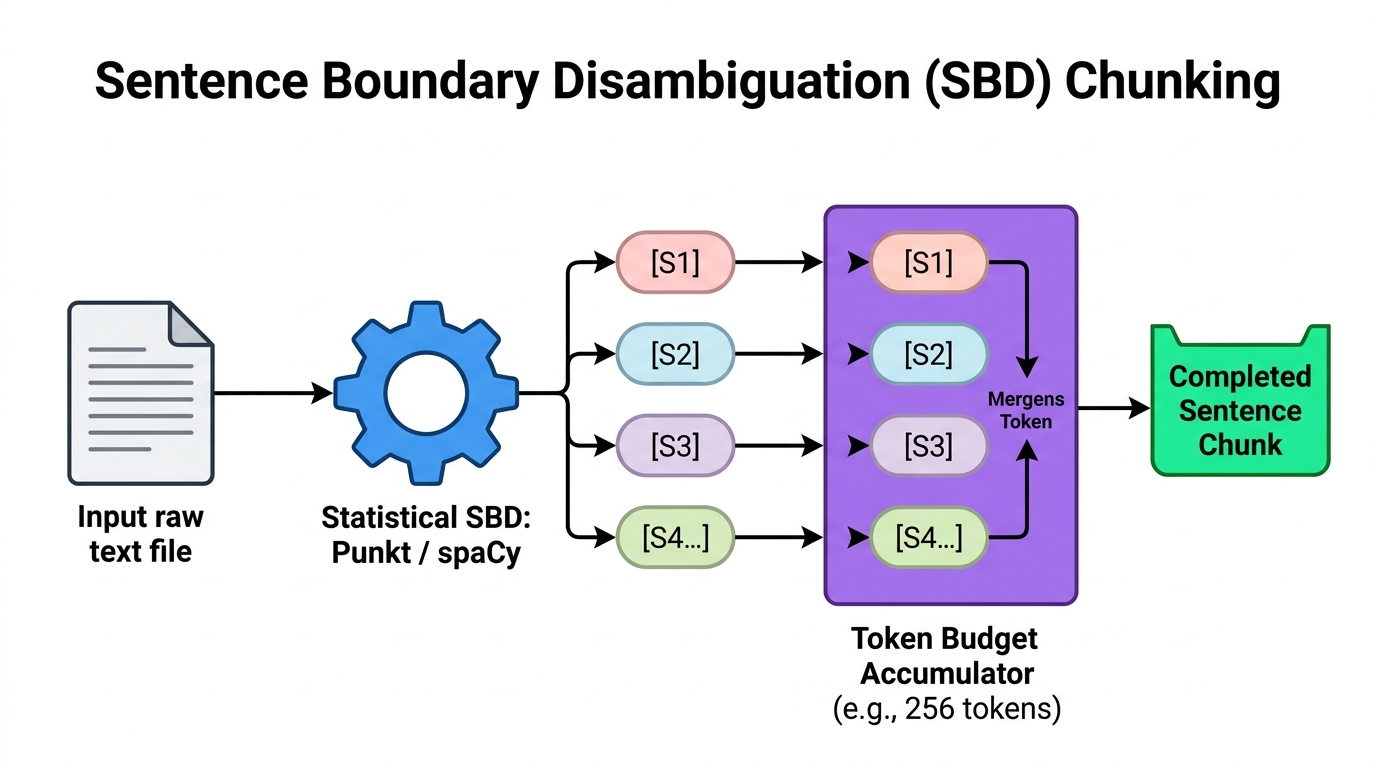 Figure 4: Statistical Sentence Boundary Disambiguation (SBD)
Runnable Python Implementation
Trade-off Analysis
- Pros: Preserves complete syntactic assertions, grammatical structures, and entity relationships. This makes it ideal for direct factoid question answering.
- Cons: Natural variation in sentence length leads to uneven chunk sizes. In addition, isolated single-sentence definitions often lack broader contextual support.
Optimal Use Cases & Failure Modes
- Deploy When: Building conversational FAQ search, medical diagnosis lookup, or fact-checking engines where every retrieved snippet must form a complete grammatical sentence.
- Fails When: Documents contain massive run-on sentences (common in patent applications and historical literature) or unformatted tabular text.
Strategy 3: Paragraph-Level Chunking
Concept & Mechanics
When writing, authors naturally group cohesive thoughts into paragraphs demarcated by double newlines (\n\n). Paragraph-level chunking respects this organic human taxonomy.
However, in practical enterprise documents, raw paragraph lengths vary wildly, ranging from 5-word transition phrases to 1,500-word academic explanations. A production paragraph chunker uses a two-pass bounded merge and split algorithm:
- Underflow Merge: Combines adjacent micro-paragraphs that fall below a minimum token threshold.
- Overflow Split: Recursively divides oversized paragraphs through a secondary sentence-level splitter when they exceed a maximum token ceiling.
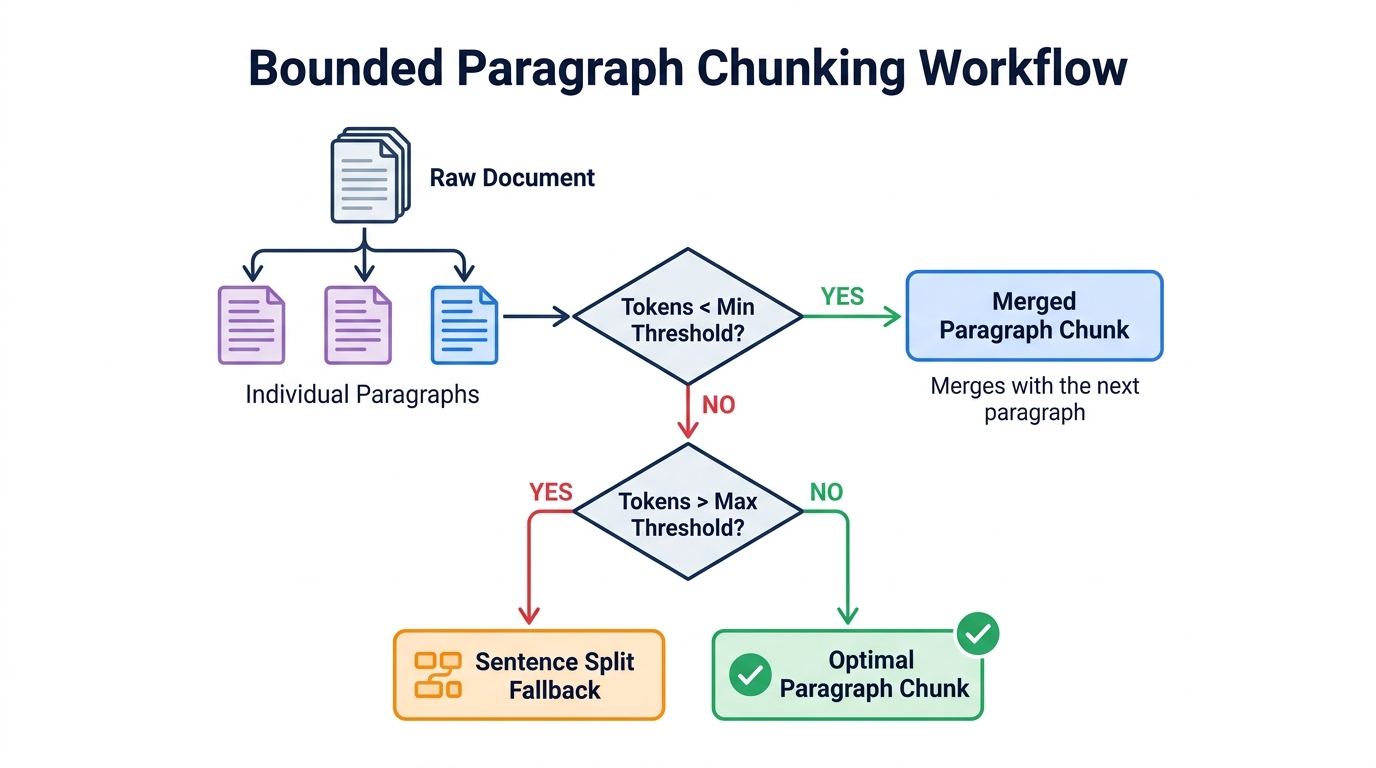 Figure 5: Bounded Paragraph Dynamic Merge & Split Workflow
Runnable Python Implementation
Trade-off Analysis
- Pros: Preserves high-level arguments, rhetorical flow, and topic progression crafted by human authors.
- Cons: Highly sensitive to inconsistent whitespace formatting, optical character recognition (OCR) line wraps, and unformatted PDF extractions.
Optimal Use Cases & Failure Modes
- Deploy When: Indexing long-form blog articles, editorial essays, technical whitepapers, and narrative case studies.
- Fails When: Processing data extracted from web tables, financial registers, or raw JSON configs that lack double-newline formatting.
Strategy 4: Semantic Chunking (Distance & Percentile Thresholds)
Concept & Mechanics
Rather than relying on arbitrary token counts or whitespace, semantic chunking identifies topic transitions by measuring shifts in cosine distance between consecutive sentence embeddings.
The algorithmic procedure runs in four distinct phases:
- Sentence Segmentation: Split the document into an ordered list of individual sentences.
- Context Smoothing: To reduce local sentence noise, construct sliding sentence groups (for example, combining the previous, current, and next sentence).
- Dense Vectorization: Pass each smoothed group through an embedding model to produce normalized dense vectors.
- Distance Curve Calculation: Measure the cosine distance between adjacent sentence groups:
A new chunk boundary is triggered whenever the distance between adjacent sentences exceeds a dynamic statistical threshold:
Alternatively, setting a percentile cutoff (such as the 85th or 90th percentile of all distance differences across the document) creates natural, adaptive boundaries precisely where the topic shifts most significantly.
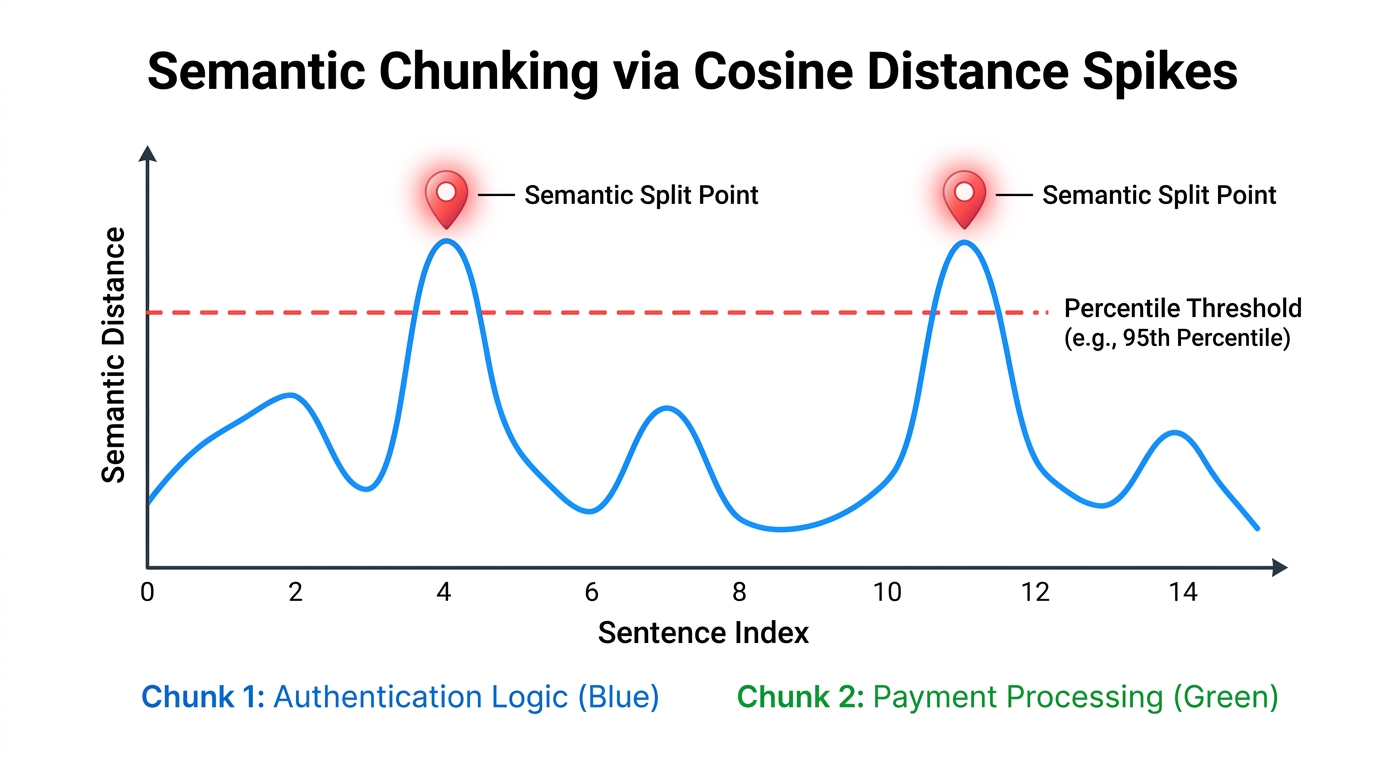 Figure 6: Semantic Distance Curve & Dynamic Percentile Boundary Trigger
Runnable Python Implementation
Trade-off Analysis
- Pros: Dynamically adjusts to shifting narrative topics. Chunks remain cohesive and focused on a single thematic domain.
- Cons: Requires O(N) forward passes through an embedding model during document ingestion, adding computational latency and cost.
Optimal Use Cases & Failure Modes
- Deploy When: Ingesting multi-topic transcripts, podcasts, research papers, and customer support call summaries where topic transitions happen unpredictably.
- Fails When: Text contains highly repetitive technical terms, or very short sentences where cosine distance shifts are dominated by minor phrasing differences.
Strategy 5: Markdown Header & Structural Breadcrumb Chunking
Concept & Mechanics
Technical documentation, knowledge base portals, and API references are structured in hierarchical trees using Markdown headings (#, ##, ###).
Standard chunking often loses the parent heading context. For example, a sub-clause describing "Error Handling" might lose its connection to the overarching "Authentication API" section.
Structural breadcrumb chunking solves this by building a header hierarchy tree during parsing. Every child chunk inherits the full path of its ancestor headings, prepended directly to the chunk text and stored in metadata:
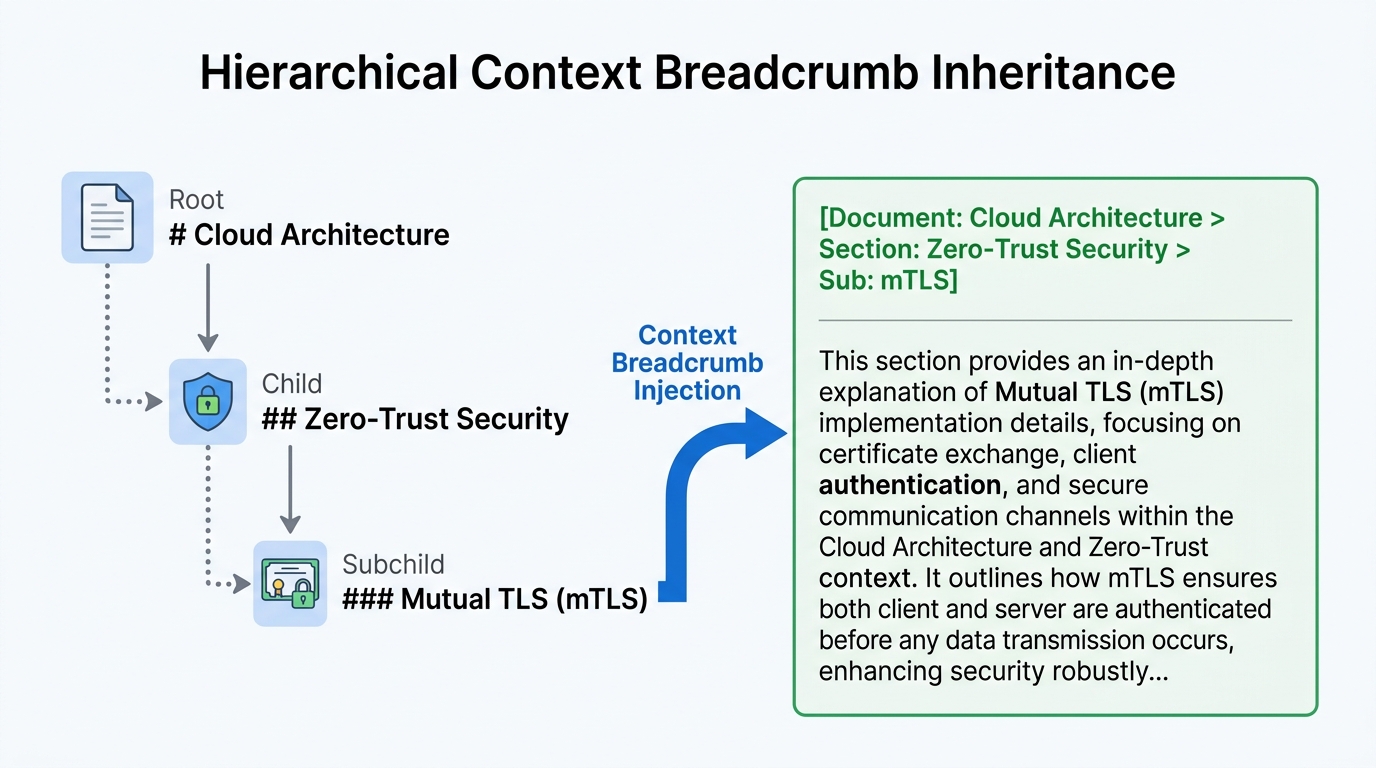 Figure 7: Hierarchical Context Breadcrumb Inheritance
Runnable Python Implementation
Trade-off Analysis
- Pros: Guarantees that extracted snippets never lose their structural context. Highly effective for technical documentation and developer portals.
- Cons: Dependent on clean, well-formed Markdown syntax. Poorly formatted documents with missing heading levels degrade breadcrumb quality.
Optimal Use Cases & Failure Modes
- Deploy When: Indexing technical wikis, OpenAPI documentation, Confluence spaces, Notion databases, and knowledge bases with rich Markdown formatting.
- Fails When: Ingesting raw OCR text, flattened PDFs without heading metadata, or plain unstructured prose.
Strategy 6: Dual-Resolution Chunking (Small-to-Big Search)
Concept & Mechanics
Dual-resolution chunking directly addresses the central precision-context dilemma by decoupling the unit of vector search from the unit of LLM synthesis:
- Child Chunks (64 to 128 tokens): The text is divided into small, focused sub-chunks. These are embedded and stored in the vector database for high-precision search.
- Parent Windows (512 to 1024 tokens): Each child chunk holds a reference ID linking to a larger parent window or its surrounding sentences.
- Retrieval Resolution: At search time, the query finds the most accurate child chunk via cosine similarity, but the retrieval engine swaps it for the larger parent window before building the final prompt for the LLM.
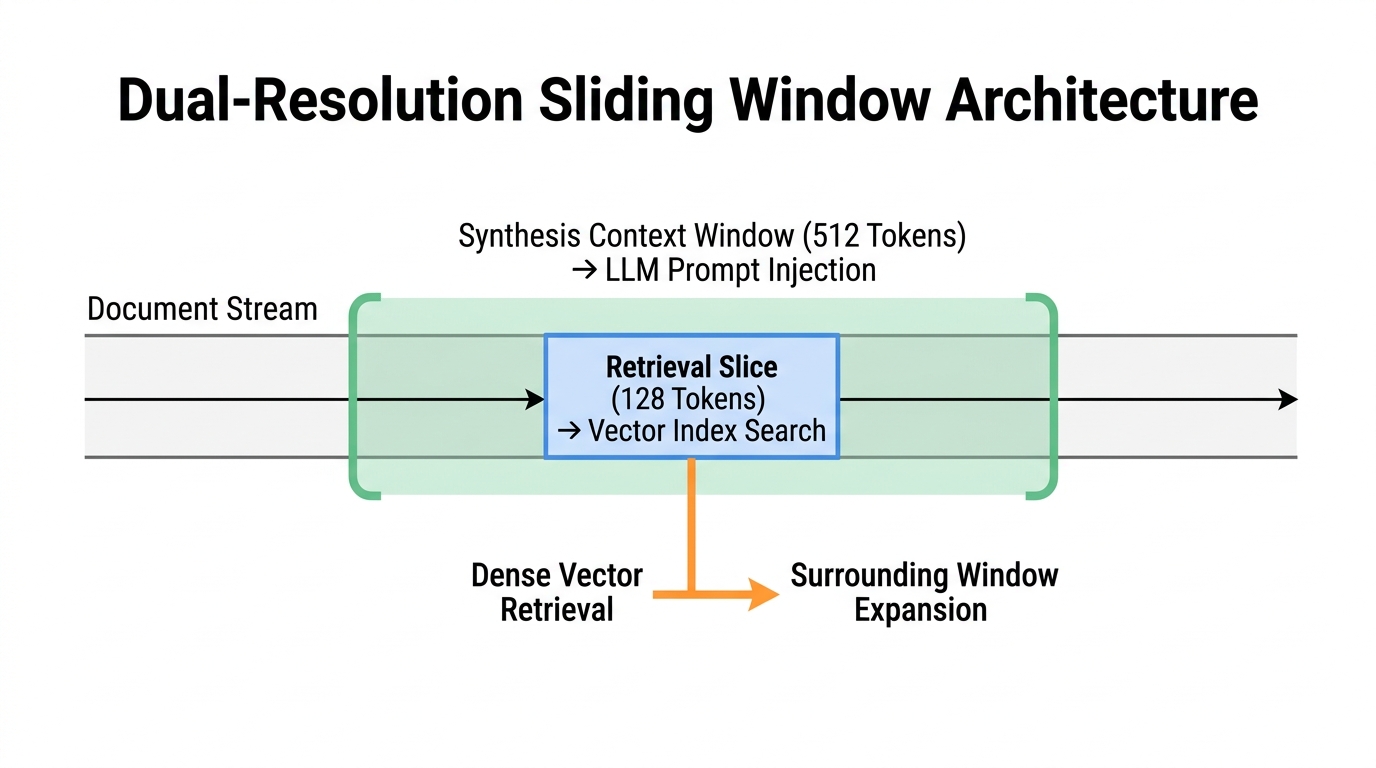 Figure 8: Dual-Resolution Sliding Window Architecture
Runnable Python Implementation
Trade-off Analysis
- Pros: Delivers laser-focused retrieval accuracy while ensuring the generation model has full surrounding context.
- Cons: Increases document store storage requirements and requires managing two-tier parent-child pointer mappings.
Optimal Use Cases & Failure Modes
- Deploy When: Building enterprise search systems, financial auditing engines, and regulatory compliance bots where exact numerical facts must be retrieved alongside their surrounding caveats.
- Fails When: Operating in environments with extremely strict memory or database storage constraints.
Strategy 7: Abstract Syntax Tree (AST) Code Chunking
Concept & Mechanics
Chunking source code using standard character or token windowing produces syntax errors. It splits functions mid-expression, breaks class inheritance trees, and detaches decorators and type definitions from function signatures.
AST-based code chunking parses the source code into an Abstract Syntax Tree (using parsers like Python's built-in ast module or Tree-Sitter). It extracts self-contained semantic nodes:
- Class declarations with docstrings and member methods.
- Function and asynchronous routine definitions with decorators and return types.
- Module-level constant declarations and interfaces.
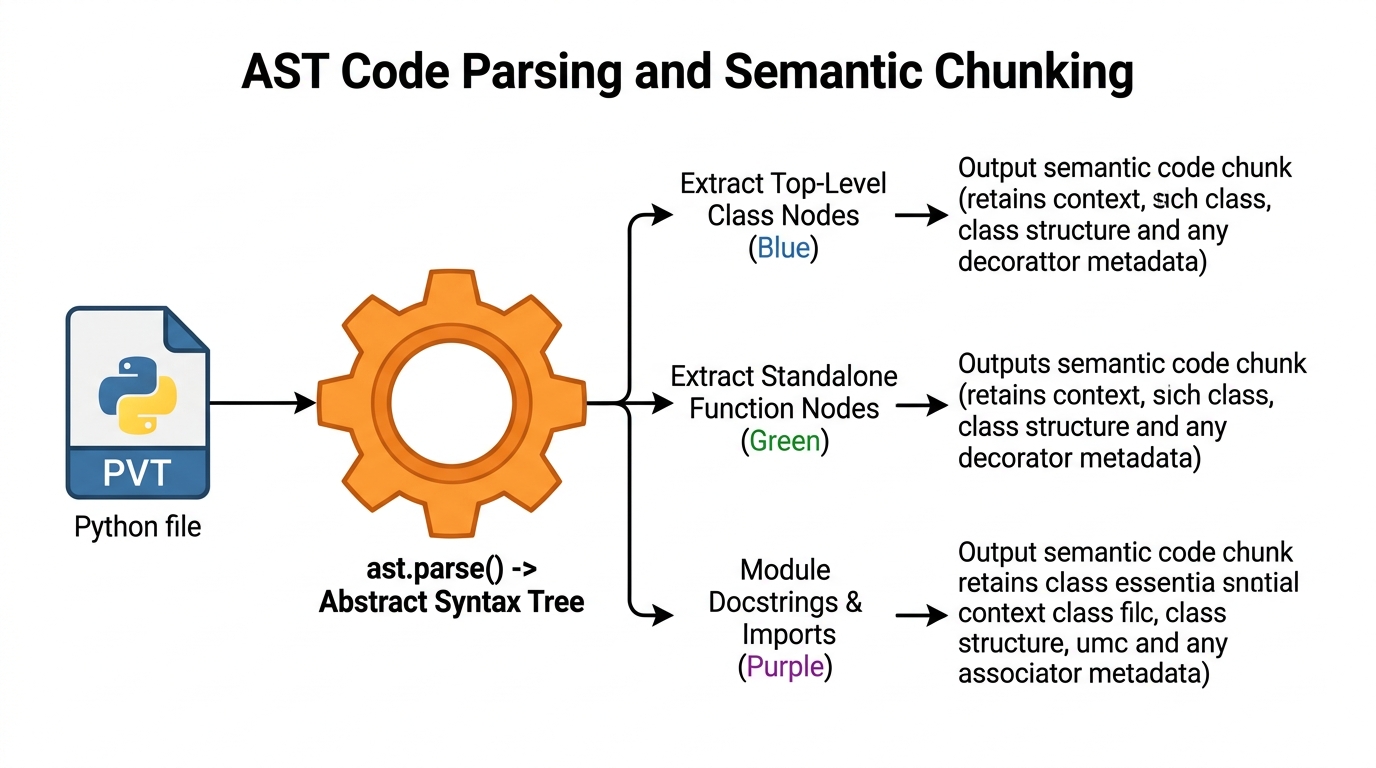 Figure 9: AST Syntax Tree Traversal for Python Code Chunking
Runnable Python Implementation
Trade-off Analysis
- Pros: Guarantees 100% syntactically valid code blocks. Preserves scope, parameters, docstrings, and type hints for technical code assistants.
- Cons: Requires a dedicated language grammar parser for each programming language (for example, Tree-Sitter grammars for Python, TypeScript, Go, Rust, etc.).
Optimal Use Cases & Failure Modes
- Deploy When: Building automated coding copilots, repository search indexes, and technical API documentation bots.
- Fails When: Ingesting unstructured text, corrupted source code files containing syntax errors, or multi-language shell scripts.
Strategy 8: Document-Specific Chunking (IMRAD & Table-Aware)
Concept & Mechanics
Academic papers and enterprise reports follow specialized structural patterns. Scientific papers, for example, typically use the IMRAD format: Introduction, Methods, Results, and Discussion.
Document-specific chunkers use regular expressions or visual layout models to identify structural boundaries:
- IMRAD Classifier: Recognizes standard research sections and flags experimental results, statistical charts, and methodology steps.
- Table-Aware Parser: Extracts Markdown or HTML tables intact, preventing rows and column headers from being separated during ingestion.
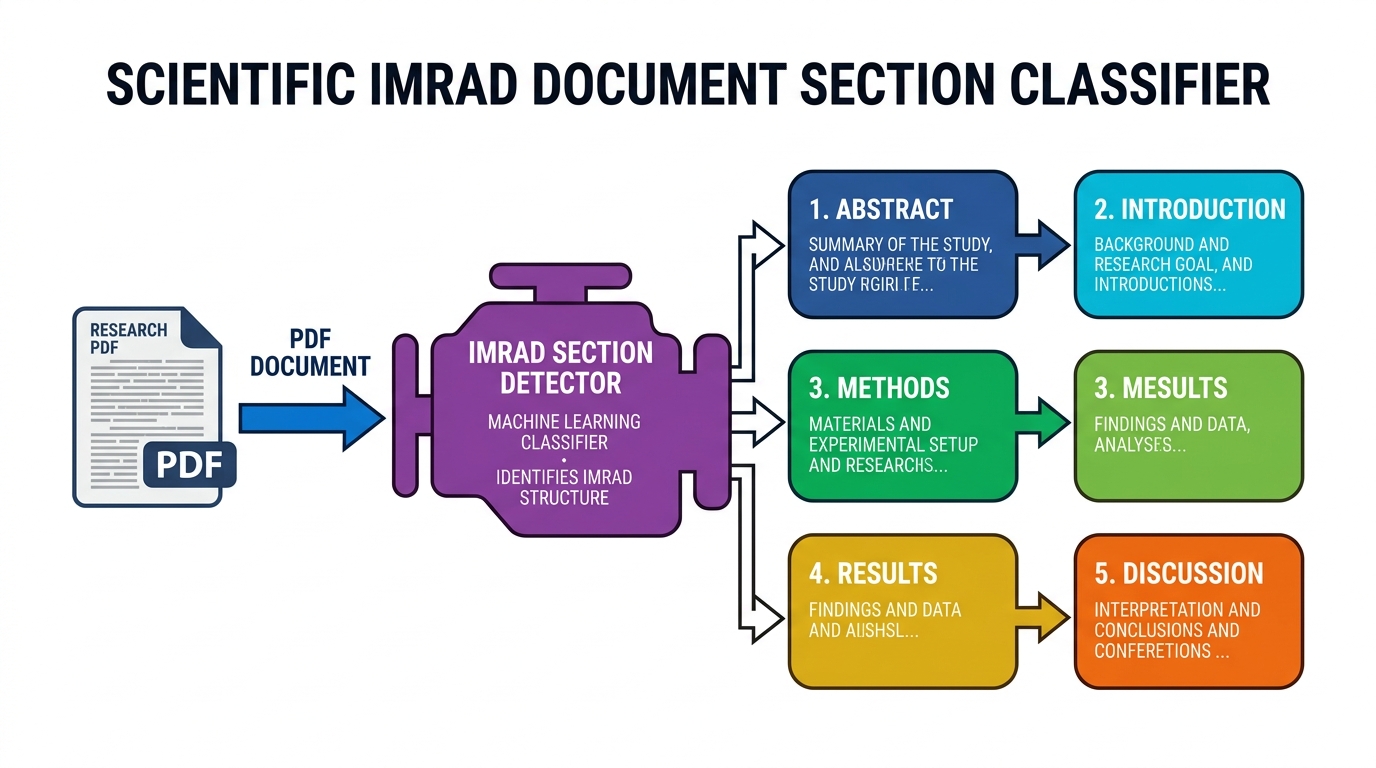 Figure 10: Scientific IMRAD Document Section Classifier
Runnable Python Implementation
Trade-off Analysis
- Pros: Perfectly aligns chunk boundaries with academic and enterprise document structures, ensuring maximum contextual relevance.
- Cons: Fragile when applied to non-standard document formats or creative editorial writing.
Optimal Use Cases & Failure Modes
- Deploy When: Indexing scientific papers, clinical trial protocols, patent filings, and regulatory compliance documents.
- Fails When: Processing unstructured chat logs, freeform customer emails, or unstructured social media text.
Strategy 9: Industrial Hybrid Cascading Pipeline
Concept & Mechanics
Production enterprise pipelines rarely rely on a single chunking strategy. Instead, industrial systems use a multi-stage cascading pipeline:
- Stage 1 (Structure Detection): Parses Markdown, HTML, or PDF structure to isolate major sections.
- Stage 2 (Semantic Analysis): Applies sentence boundary and semantic distance thresholding within each section.
- Stage 3 (Token Budget Enforcement): Enforces hard minimum and maximum token budgets to protect downstream embedding models.
- Stage 4 (Metadata Injection): Injects breadcrumbs, document IDs, timestamps, and page numbers into the final chunk payload.
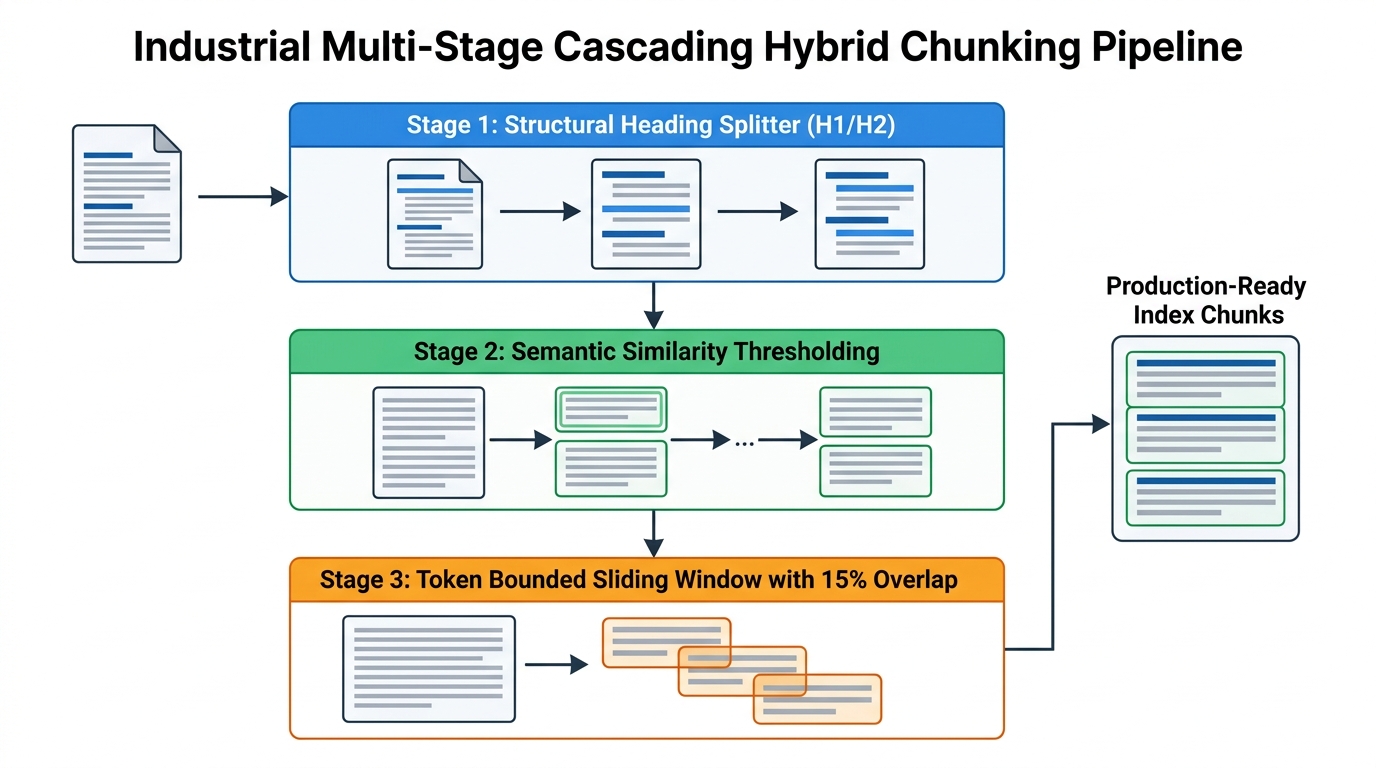 Figure 11: Industrial Multi-Stage Cascading Hybrid Pipeline
Runnable Python Implementation
Trade-off Analysis
- Pros: Highly resilient in production. Gracefully handles varied document formats while maintaining strict token safety limits.
- Cons: Incurs higher architectural complexity and requires ongoing parameter tuning.
Optimal Use Cases & Failure Modes
- Deploy When: Building enterprise-scale RAG systems that ingest diverse document formats across multiple business domains.
- Fails When: Applied to monolithic, unstructured text streams where clear document boundaries do not exist.
Strategy 10: Propositional Chunking & Jina AI Late Chunking
10.1 Dense X Propositional Extraction (Chen et al., Stanford, 2023)
Propositional chunking represents the cutting edge of semantic granularity. Introduced by Stanford researchers in the Dense X paper, this approach uses an instruction-tuned LLM to decompose complex text into self-contained atomic propositions:
- Each proposition conveys a single, complete factual assertion.
- Anaphora and pronouns (such as "he", "they", "this system") are fully resolved to their explicit nouns.
- Every proposition can stand completely on its own without needing external context.
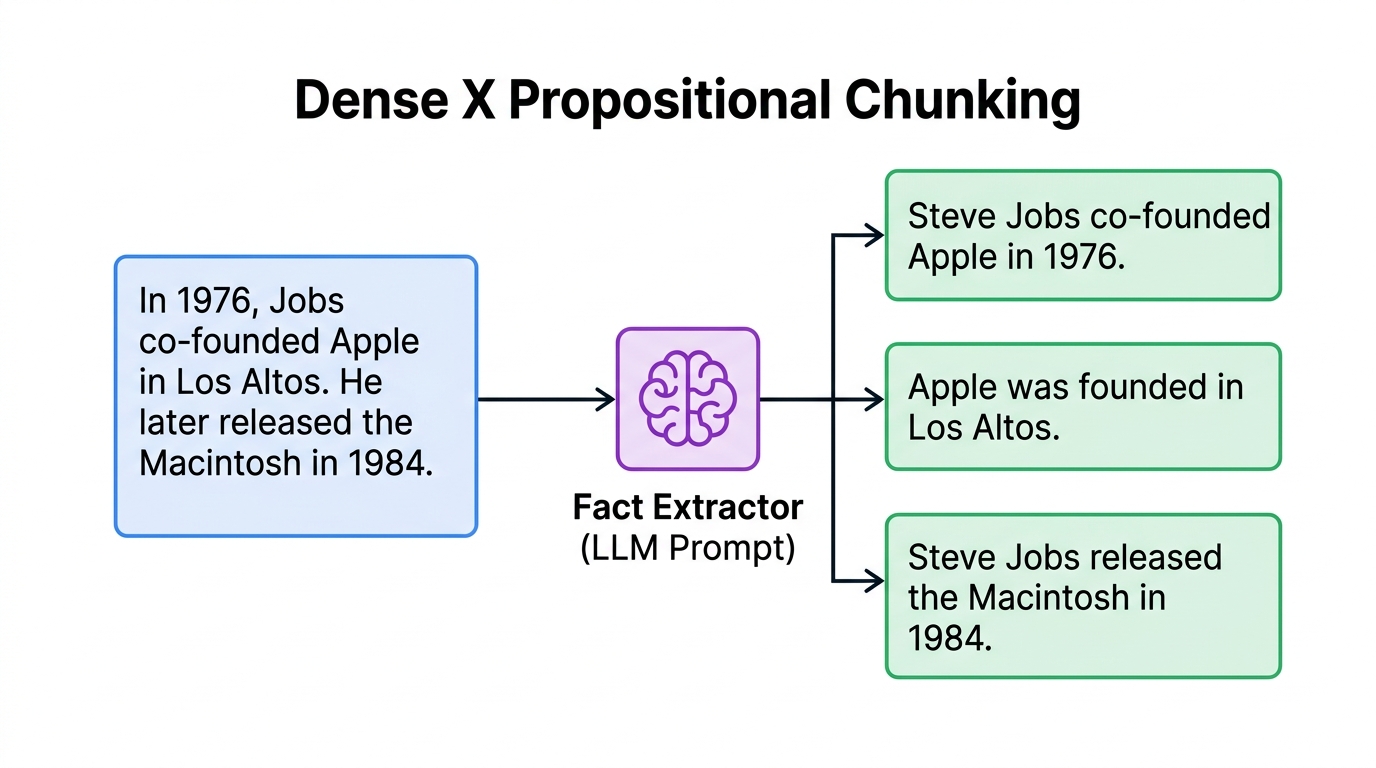 Figure 12: Dense X Propositional Atomic Fact Extraction
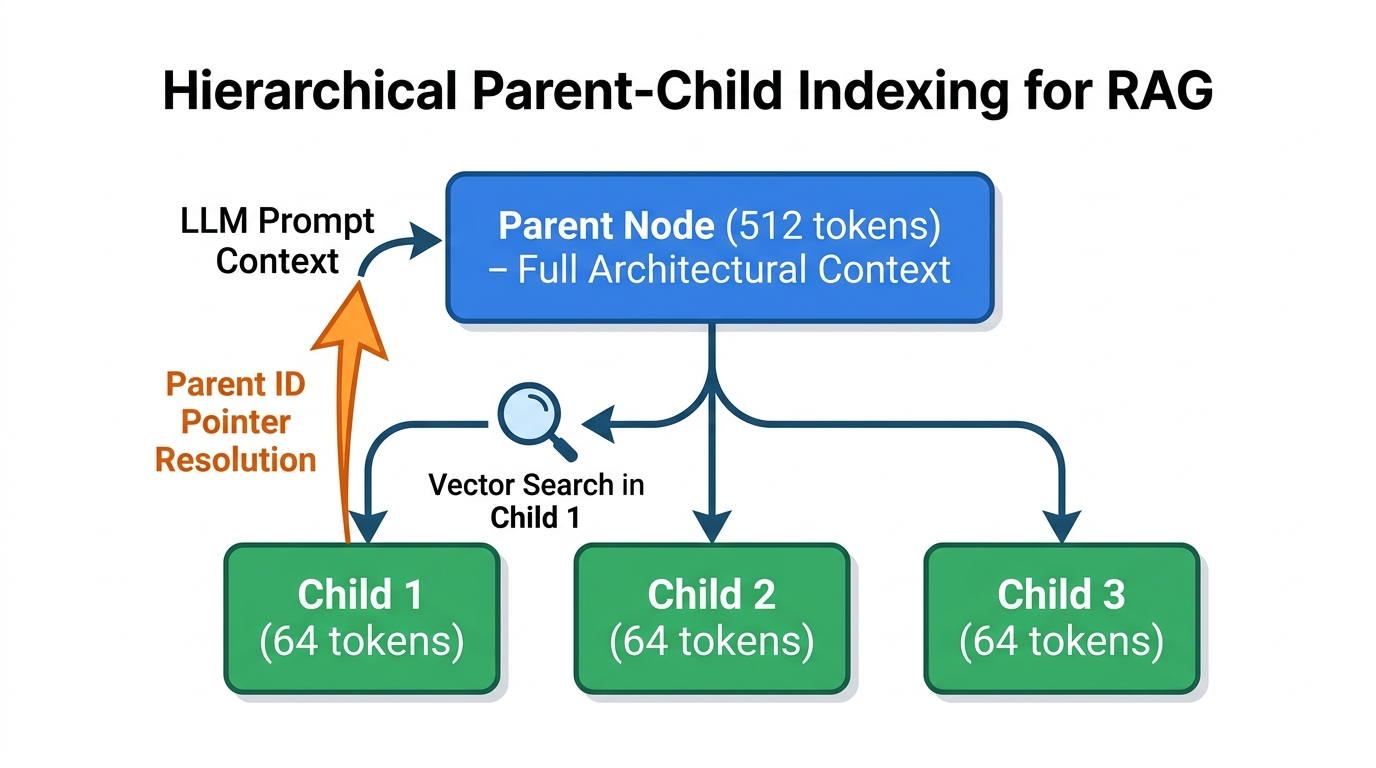 Figure 13: Hierarchical Parent-Child Index & Pointer Resolution
10.2 Jina AI Late Chunking (Günther et al., Jina AI Research, 2024)
Traditional chunking architectures split documents into isolated chunks before passing them to the embedding model:
Because transformer attention is computed solely within the narrow boundaries of each isolated chunk, cross-boundary connections and global document context are completely lost.
Late Chunking reverses this sequence:
- The entire document (up to 8,192 tokens) is fed into a long-context transformer model (such as
jina-embeddings-v2orjina-embeddings-v3). - Full bidirectional self-attention is computed across all tokens in the entire document. Every token attends to every other token.
- Mean pooling is then applied over the specific token index spans corresponding to each chunk boundary:
This produces chunk embeddings that retain the full contextual awareness of the entire document.
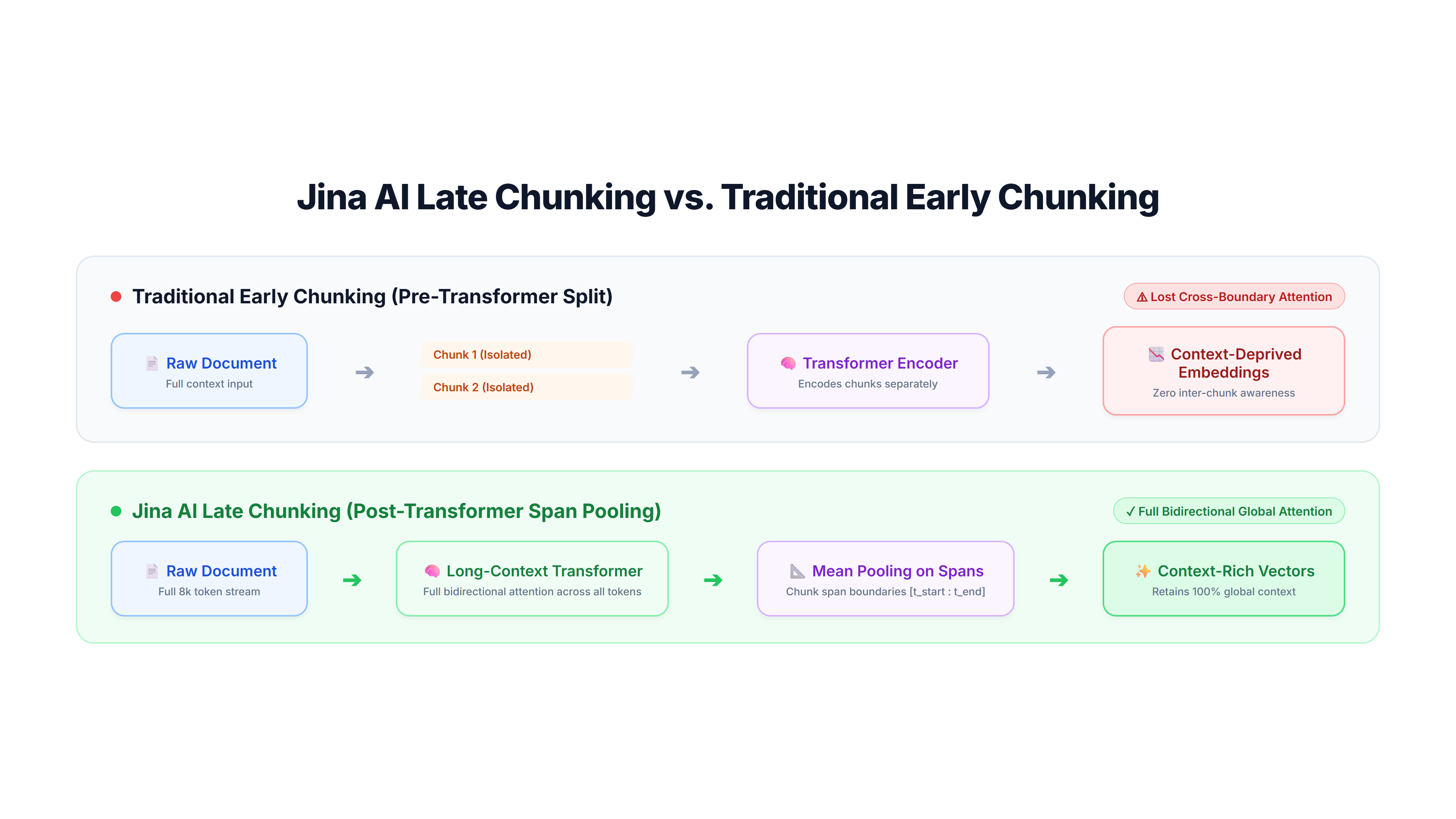 Figure 14: Jina AI Late Chunking & Global Attention Pooling
Runnable PyTorch & Transformers Implementation
Production Decision Engine & Comparison Matrix
To select the right chunking architecture for your specific application, use this production comparison matrix:
| Strategy | Computational Cost | Semantic Granularity | Best Document Types | Critical Failure Mode |
|---|---|---|---|---|
| Fixed Token Window | Low | Low | Unstructured logs, telemetry data | Severs sentences and entity relations |
| Sentence-Level | Low | Medium | FAQ lookup, customer support chat | Run-on sentences cause size variance |
| Paragraph-Level | Low | High | Long-form articles, essays, whitepapers | Inconsistent whitespace formatting |
| Semantic Distance | High | Very High | Multi-topic podcasts, research reports | High embedding compute costs during ingestion |
| Markdown Breadcrumb | Low | High | Technical docs, Notion/Confluence wikis | Unformatted, non-standard Markdown |
| Dual-Resolution | Medium | Very High | Enterprise financial/legal search | Higher storage footprint in vector DB |
| AST Code Parsing | Medium | Exact | Software repositories, coding copilots | Syntax errors in source code files |
| IMRAD Sectioning | Low | High | Academic papers, clinical trial protocols | Unstructured non-academic documents |
| Hybrid Cascading | Medium | Very High | Enterprise document repositories | Complex configuration and tuning |
| Late Chunking | High | Maximum | Long-context documents, legal contracts | Long-context transformer required |
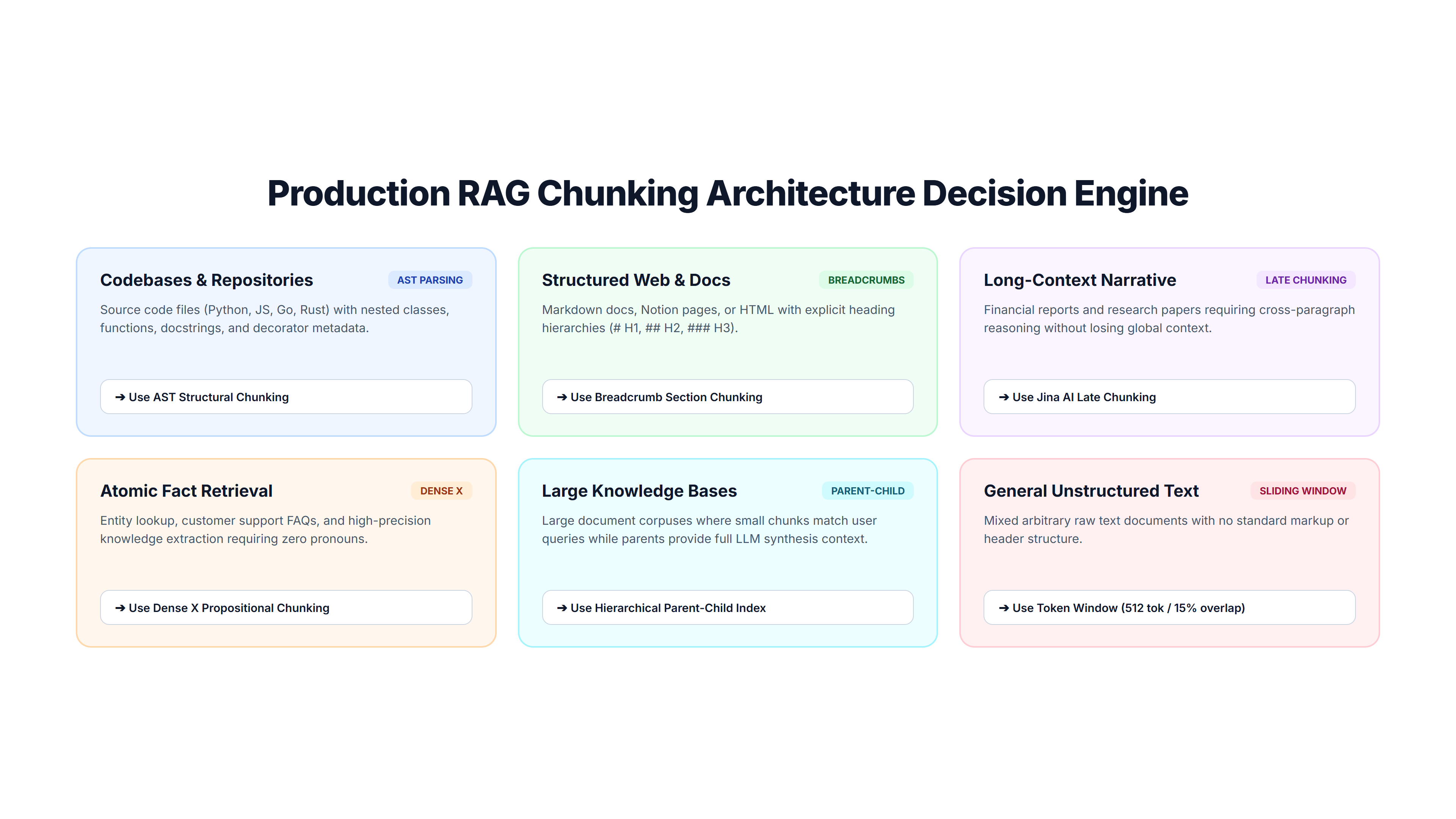 Figure 15: Production Chunking Architecture Decision Engine
Summary & Key Takeaways
- Chunking is Deterministic Infrastructure: The quality of your chunking strategy sets the absolute ceiling for your RAG pipeline. No reranker or vector search algorithm can compensate for information that was severed or diluted during ingestion.
- Match Strategy to Document Taxonomy: Use AST parsing for source code, Markdown breadcrumbs for technical documentation, bounded paragraph chunking for narrative essays, and IMRAD classifiers for scientific literature.
- Decouple Retrieval from Generation: For mission-critical enterprise search, adopt Dual-Resolution (Small-to-Big) or Jina AI Late Chunking to achieve high vector search precision without sacrificing the comprehensive narrative context required by modern LLMs.